


Are your periods leaving you exhausted, foggy, and running on empty? You might be missing a very important connection… it’s more common than you think!
What Is Heavy Menstrual Bleeding?
Heavy menstrual bleeding (HMB), also called menorrhagia, is more than just an inconvenient period. Experts from the Society of Obstetricians and Gynecologist of Canada, clinically define Heavy menstrual bleeding as having any of the following 1 :
- Bleeding that lasts more than 7 days
- Bleeding that soaks through a pad or tampon every hour for several consecutive hours
- Passing blood clots larger than a quarter
- Bleeding that interferes with your daily life physically, emotionally, or socially
*Sources: SOGC and American College of Obstetricians and Gynecologists; PMC, 2025
You are far from alone. HMB affects a significant proportion of reproductive-aged women, from first periods all the way through to menopause. Many women simply accept it as normal. Spoiler: it is not normal, and you deserve better.
Heavy Bleeding and Low Energy: What's the Connection?
Every time you bleed, you lose iron. Iron is in your red blood cells, and when blood leaves your body, it takes iron with it. When periods are consistently heavy, your body may not be able to replace iron fast enough and that’s when an iron imbalance can happen.
According to a landmark 2023 review published in the American Journal of Obstetrics & Gynecology, heavy menstrual bleeding is a major contributor to iron deficiency and iron deficiency anemia (IDA) in reproductive-aged women. The authors note that the relationship between HMB and iron deficiency is “poorly appreciated and frequently normalized by society, healthcare providers, and affected girls and women themselves.”2
In other words: just because it’s common doesn’t mean it should be ignored.
Iron Deficiency Symptoms: It's More Than Just Tiredness
Many women brush off their symptoms as stress, aging, or “just their hormones.” But iron deficiency has a long, specific symptom list. If you experience heavy periods and several of the following, it’s time to get tested:
Most common3:
- Persistent fatigue and exhaustion (83%)
- Headaches (63%)
- Paleness (unusual or extreme paleness of the skin and mucous membranes) 45-50%)
- Mood Changes, brain fog and difficulty concentrating
- Hair Loss (30%)
- Smooth tongue (27%)
Also reported:
- Anxiety and irritability
- Heart palpitations
- Trouble sleeping
- Dry skin and brittle nails
- Joint or muscle pain
- Depression
- Anxiety
Research in adolescent females shows that iron deficiency alone, even without anaemia, is associated with both physical and cognitive impairment.4 This means it can affect school performance, work, and quality of life well before a diagnosis of anaemia is made.
Here’s a note on perimenopause: Iron deficiency and perimenopause share many overlapping symptoms such as fatigue, brain fog, and heart palpitations, to name a few. If you’re in midlife and experiencing these symptoms alongside heavier bleeding, it’s worth asking your doctor to check both iron deficiency and heavy menstrual bleeding. 5
Getting Tested: What to Ask Your Doctor
If you suspect iron deficiency, a simple blood test is all it takes to find out. A healthcare professional has the expertise to interpret your iron blood work and investigate contributing factors and identify and treat the underlying causes. Ask your doctor to check the following:
Ferritin is the most sensitive marker of iron stores. Iron deficiency is typically diagnosed when ferritin is Below 30 µg/L in adults, Below 50 µg/L in pregnancy, Below 20 µg/L in children .3
– Conditions associated with inflammation such as chronic disease can falsely raise ferritin levels.
Haemoglobin to check for anaemia (low: under 12.0 g/dL in women) 3
Note: For pregnant women, treatment is indicated when the ferritin is below 50 ug/mL.3
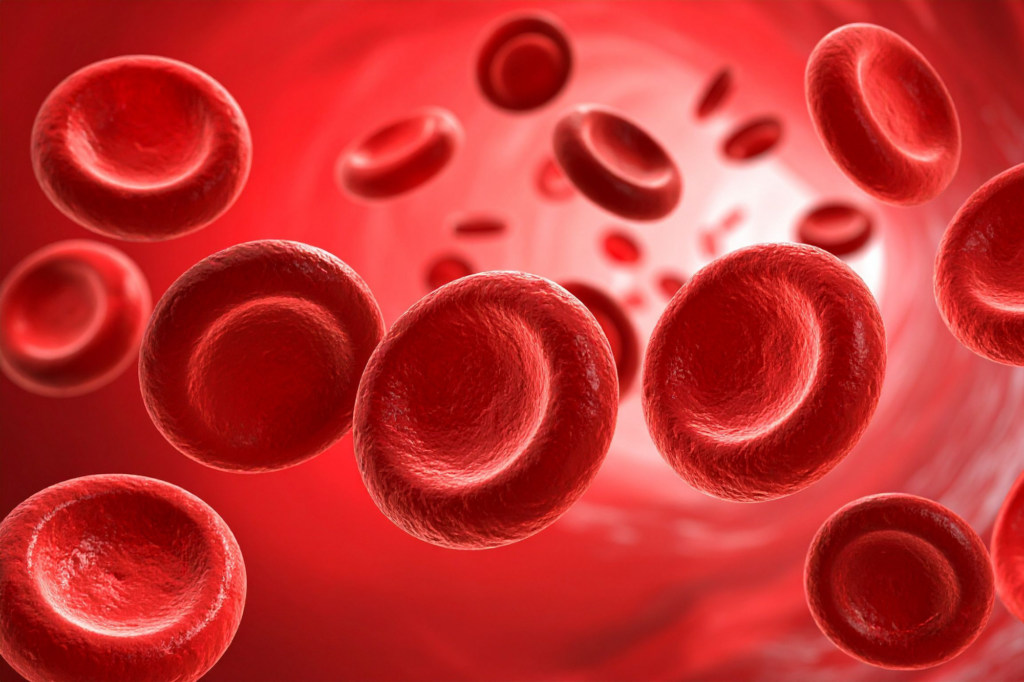
Three Stages:
Iron Depletion, Iron Deficiency vs. Iron Deficiency Anemia
A foundational concept is that iron deficiency and iron deficiency anemia are not the same thing. You can feel very unwell before you ever become anaemic.
It is important to have a healthcare professional not just order bloodwork but also interpret the results. Hemoglobin (Hgb) is part of the standard CBC panel ordered by physicians and nurse practitioners in Canada. Ferritin is not included in a standard CBC, so a ferritin test must be ordered separately. Ferritin is the most sensitive and specific test for iron deficiency, reflecting total body iron stores. Ferritin values occur on a continuum, and the lab cut-offs vary depending on the lab. Clinical interpretation is required with Iron blood work, to flag anemia and help investigate potential causes. 6 Your healthcare practitioner may also order other iron studies, such as transferrin saturation, when more information is needed.
Iron Depletion
Your body’s iron stores begin to run low, but there may be no or few symptoms yet.
Iron Deficiency (ID):
Your iron stores (measured by ferritin) are depleted, but your haemoglobin (red blood cell count) is still normal.
Iron Deficiency
Anemia (IDA):
Iron is so depleted that your body can no longer produce enough healthy red blood cells.
| Stage | Iron Stores (Ferritin) | Haemoglobin | Common Symptoms 3,6,14 |
|---|---|---|---|
| Iron Depletion | Iron stores are reduced | Usually normal | Often no symptoms or mild symptoms |
| Iron Deficient (without anemia) | Iron stores are reduced | Still within the normal range | Fatigue, reduced stamina, difficulty concentrating may occur |
| Iron Deficiency Anemia | Iron stores are markedly reduced | Below the normal range | Fatigue, weakness, shortness of breath, dizziness and reduced exercise tolerance are more common |
Research published in the International Journal of Gynecology & Obstetrics (2023) explains that when stored iron is depleted, the body prioritises red blood cell production. But this happens at the expense of iron-dependent enzymes and processes that keep you functioning well day to day. This means symptoms can appear long before anaemia shows up on a blood test. 7
How Common Is Iron deficiency?
The numbers are striking!
Canadian population statistics finds that iron deficiency is most common in women of reproductive age, with almost 1 in 4 (18.2%) of women 19-50 years of age experiencing iron deficiency. These authors raise iron deficiency as a public health problem of moderate magnitude among females of reproductive age in Canada 8
In a US study of girls and young women aged 12–21, 40% of this population were identified as iron deficient.4
As heavier periods become more common during the perimenopause transition, iron deficiency is also a concern for women over 40.5
In 2025, the World Health Organization (WHO) formally recognised heavy menstrual bleeding as a cause for anaemia globally.9
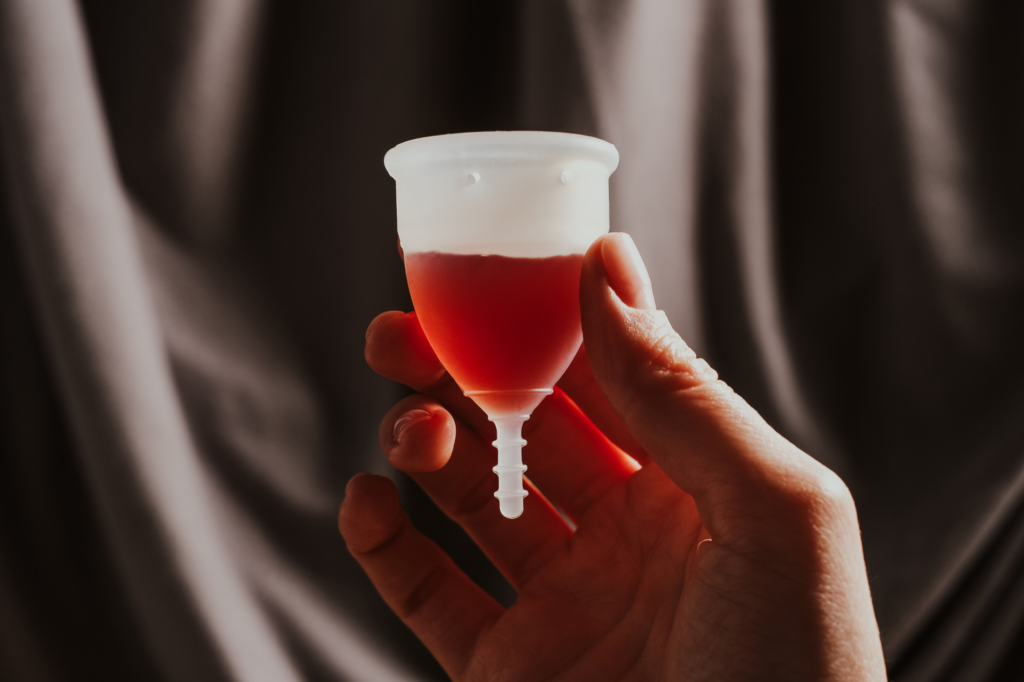
What Causes Heavy Menstrual Bleeding?
Heavy bleeding can have several underlying causes, including the following 10
- Uterine fibroids: benign growths in the uterus, very common in women in their 30s and beyond
- Polyps on the uterine lining
- Irregular periods: sometimes linked to irregular ovulation, common in puberty and perimenopause and women with certain medical conditions such as polycystic ovary syndrome (PCOS) now known as Polyendocrine Metabolic Ovarian Syndrome (PMOS)
- Bleeding disorders: when the blood does not clot properly such as von Willebrand disease
- Endometriosis and Adenomyosis
- Cancer: Rarely, heavy menstrual bleeding can be an early sign of endometrial cancer. Endometrial cancer is typically diagnosed in women in their mid-60s who past menopause. Heavy menstrual bleeding can help to signal an early stage when treatment is the most effective.
- Other causes: including pregnancy related, pelvic inflammatory disease (PID) or unknown causes
Getting to the root cause matters because treating the cause of heavy bleeding is one of the most effective ways to protect your iron levels long-term.
Don't wait to be anaemic to seek help!
Iron deficiency without anaemia is a medical condition and is worth treating.2,3,7
Talk to your healthcare practitioner about Heavy Menstrual Bleeding. Many women don’t report heavy bleeding to their doctor, sometimes because they’ve been told it’s “normal,” or because of stigma. Research published in 2025 identifies “symptom dismissal” as a core experience for women with HMB.11 If you feel your symptoms are being minimised, advocate for yourself. You know your body.
What are the options to support?
The good news: treatment options are available for both heavy menstrual bleeding and iron deficiency. The support of your healthcare practitioner is important. Here’s an overview of the options you can expect to discuss:
To Replenish Your Iron
Menstrual loss reduction and addressing the underlying cause is a priority. Oral iron supplements are the first-line treatment to improve iron levels. 3,7 Canadian experts consider the best oral iron supplement to be the one that people can take consistently.3
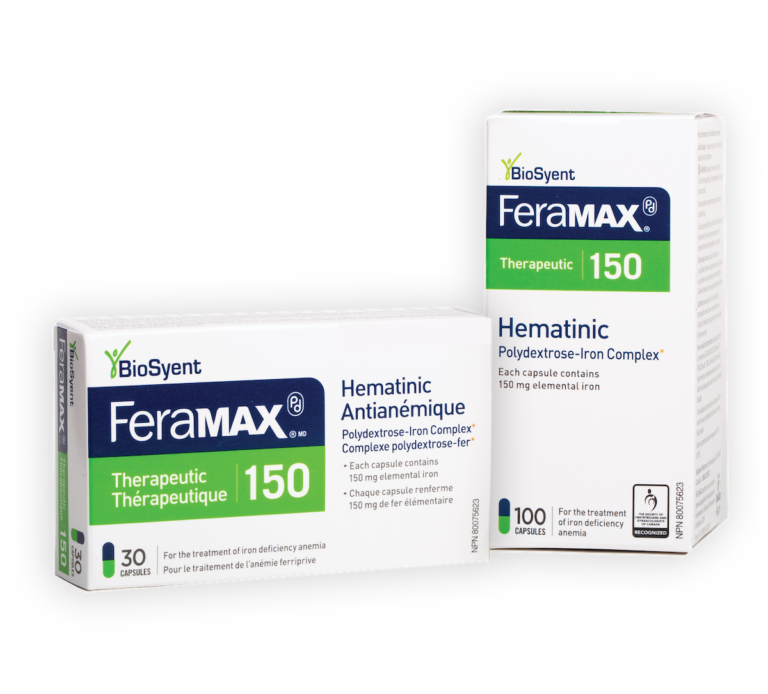
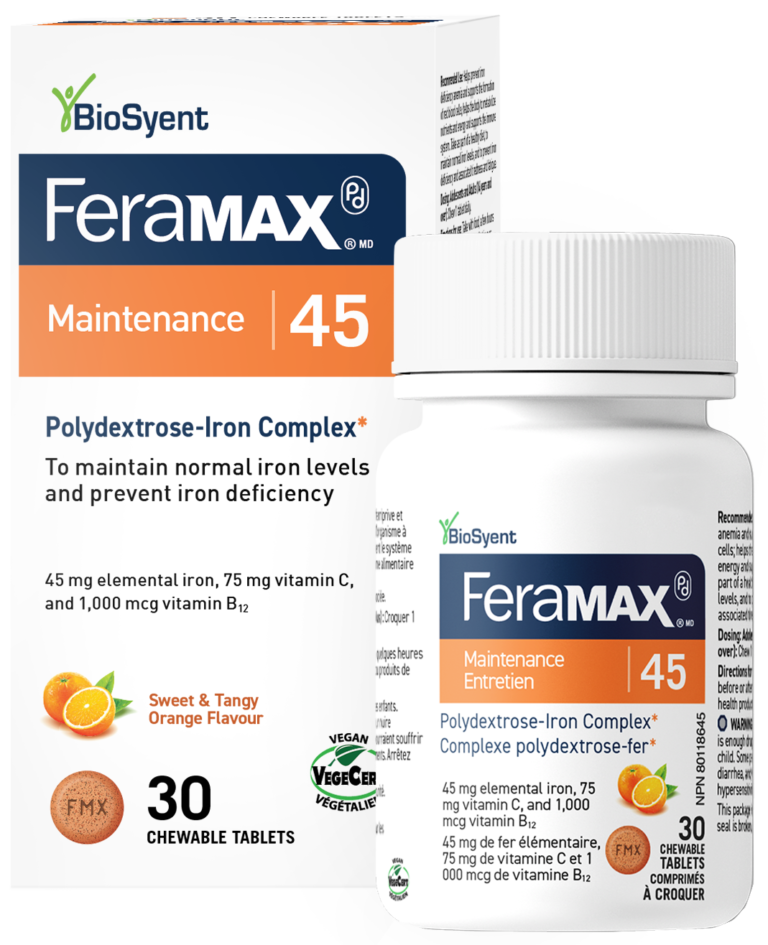
FeraMAX® Pd is available in a range of iron doses to help support different levels of iron needs. FeraMAX® products are taken once daily option. FeraMAX® Pd brand is the #1 OTC iron supplement voted by Canadian Physicians and Pharmacists for 11 years in a row. 12
The following provides more detailed information about the FeraMAX options:
FeraMAX® Pd Medical Uses and Dosing:
FeraMAX® Pd Therapeutic 150 is recommended for the treatment of iron deficiency anemia. The recommended dosing for adults is one capsule daily, or as directed by a health care practitioner.
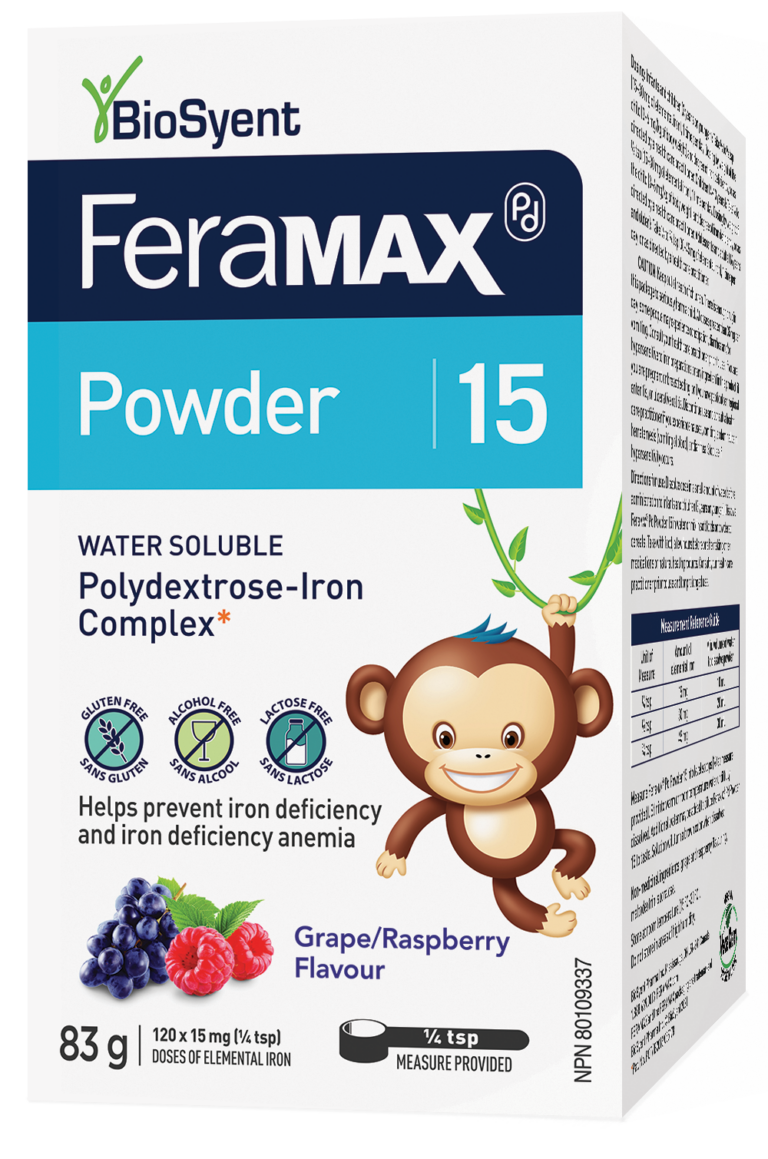
Caution statement: Some people may experience gastrointestinal side effects. Consult your health care practitioner prior to use, if you are hypersensitive to iron preparations or any ingredient in this product, if you are pregnant or breastfeeding, or if you have peptic ulcer, regional enteritis, or ulcerative colitis. Keep out of reach of children.
Now, the FeraTRACK app can help you stay on top of your daily iron doses as well as your iron intake.
To Reduce Heavy Bleeding 10
- Hormonal support can significantly reduce menstrual blood loss
- Over the counter pain medication can reduce blood loss as well as help with pain
- Surgical options may also be a consideration
The Bigger Picture:
One of the most important things to understand is that the impact of iron deficiency and heavy menstrual bleeding goes far beyond physical symptoms. Research cited by the *American Journal of Obstetrics & Gynecology* highlights effects on cognitive function, work and school performance, and overall quality of life from first period to menopause.¹
The combination of HMB and iron deficiency has been called “virtually debilitating and pervasive,” yet it remains widely undertreated. A 2024 report from the American Society of Hematology noted that over half of iron deficiency cases in a large health system remained unresolved at three years pointing to a significant gap in awareness and follow-up. 13
If you’ve been told your bleeding is “just normal” or your iron levels are “not that bad” seek more support. Get the numbers. Ask questions. Treatment is available.
When to See a Doctor
Book an appointment if you experience any of the following:
- Soak through a pad or tampon in an hour or less
- Experience fatigue, brain fog, or breathlessness that affects your daily life
- Pass large clots during your period
- Bleed for more than 7 days
- Have periods that have become noticeably heavier over time
- Are in perimenopause and experiencing new or worsening heavy bleeding

Key Takeaways
- Heavy menstrual bleeding is often an underlying cause of iron deficiency in women of reproductive age.
- Iron deficiency causes real, significant symptoms, even before anaemia develops.
- Ferritin (iron stores) is the key test to request; don't wait until you're anaemic.
- Both conditions are treatable with supplements, medication, and management of the underlying cause.
- Your health matters. If your concerns aren’t being taken seriously, keep speaking up for the care you need.
This article is intended for informational purposes only and does not constitute medical advice. Please speak with your healthcare provider for diagnosis and treatment tailored to your individual needs.
References
- The Society of Obstetricians and Gynaecologists of Canada (SOGC). Heavy menstrual bleeding. Available at: https://www.yourperiod.ca/abnormal-pain-and-menstrual-bleeding/heavy-menstrual-bleeding/ (accessed June 2026).
- Munro MG et al. “The relationship between heavy menstrual bleeding, iron deficiency, and iron deficiency anemia.” *American Journal of Obstetrics & Gynecology*. 2023. https://www.ajog.org/article/S0002-9378(23)00024-8/fulltext Accessed June 2026
- Michelle Sholzberg Christopher Hillis Mark Crowther and Rita Selby. Diagnosis and management of iron deficiency in females CMAJ Jul 2025, 197 (24) E680-E687; DOI: 10.1503/cmaj.240570 https://www.cmaj.ca/content/197/24/E680/tab-article (accessed June 2026)
- Weyand AC, Chaitoff A, Freed GL, Sholzberg M, Choi SW, McGann PT. Prevalence of Iron Deficiency and Iron-Deficiency Anemia in US Females Aged 12-21 Years, 2003-2020. JAMA. 2023;329(24):2191–2193. doi:10.1001/jama.2023.8020 https://jamanetwork.com/journals/jama/fullarticle/2806540 (accessed June 2026)
- Briony A. Cutts, Kristy Fennessy, Addressing the perimenopause: what’s blood got to do with it?, Research and Practice in Thrombosis and Haemostasis, Volume 9, Issue 2, 2025, 102698, ISSN 2475-0379, https://doi.org/10.1016/j.rpth.2025.102698. https://www.rpthjournal.org/article/S2475-0379(25)00022-6/fulltext (accessed June 2026)
- Iron Deficiency – Diagnosis and Management. BC Guidelines April 2019. https://www2.gov.bc.ca/gov/content/health/practitioner-professional-resources/bc-guidelines/iron-deficiency (accessed July 2026)
- Munro MG. “Heavy menstrual bleeding, iron deficiency, and iron deficiency anemia: Framing the issue.” *International Journal of Gynecology & Obstetrics*. 2023. https://obgyn.onlinelibrary.wiley.com/doi/10.1002/ijgo.14943 (Accessed June 2026)
- Marcia Cooper, Jesse Bertinato, Julie K Ennis, Alireza Sadeghpour, Hope A. Weiler, Veronique Dorais, Population Iron Status in Canada: Results from the Canadian Health Measures Survey 2012–2019, The Journal of Nutrition, Volume 153, Issue 5, 2023, Pages 1534-1543, ISSN 0022-3166, https://doi.org/10.1016/j.tjnut.2023.03.012 (Accessed June 2026)
- World Health Organization (WHO) https://www.who.int/news-room/fact-sheets/detail/anaemia (accessed June 2026)
- American College of Obstetricians & Gynecologists. Heavy Menstrual Bleeding Frequently Asked Questions. https://www.acog.org/womens-health/faqs/heavy-menstrual-bleeding
- Rebecca Peel, Karen Missen, Carolyn Bailey, Singarayer Florentine,The experience of healthcare interactions for women with symptoms of abnormal menstruation: A systematic review and meta-synthesis, Patient Education and Counseling, Volume 138, 2025, 109225, ISSN 0738-3991, https://doi.org/10.1016/j.pec.2025.109225 from https://www.sciencedirect.com/science/article/pii/S0738399125005920 (accessed June 2026)
- Pharmacy Practice + Business and Profession Santé 2026 Survey on OTC Counselling and Recommendations (re: pharmacists) The Medical Post and Profession Santé 2026 Survey on OTC Counselling and Recommendations (re: Physicians)
- Jacob C. Cogan, Julia Meyer, Ziou Jiang, Michelle Sholzberg. Iron deficiency resolution and time to resolution in an American health system. Blood Advances, 2024; DOI: 10.1182/bloodadvances.2024013197 https://ashpublications.org/bloodadvances/article/8/23/6029/517369/Iron-deficiency-resolution-and-time-to-resolution (accesses June 2026)
- Alberta Medical Association Iron Deficiency Anemia (IDA) Clinical Practice Guideline March 2018. Accessed July 2026 https://www.albertadoctors.org/media/atabokv2/iron-deficiency-anemia-guideline.pdf
